Home Textile Trends for 2026
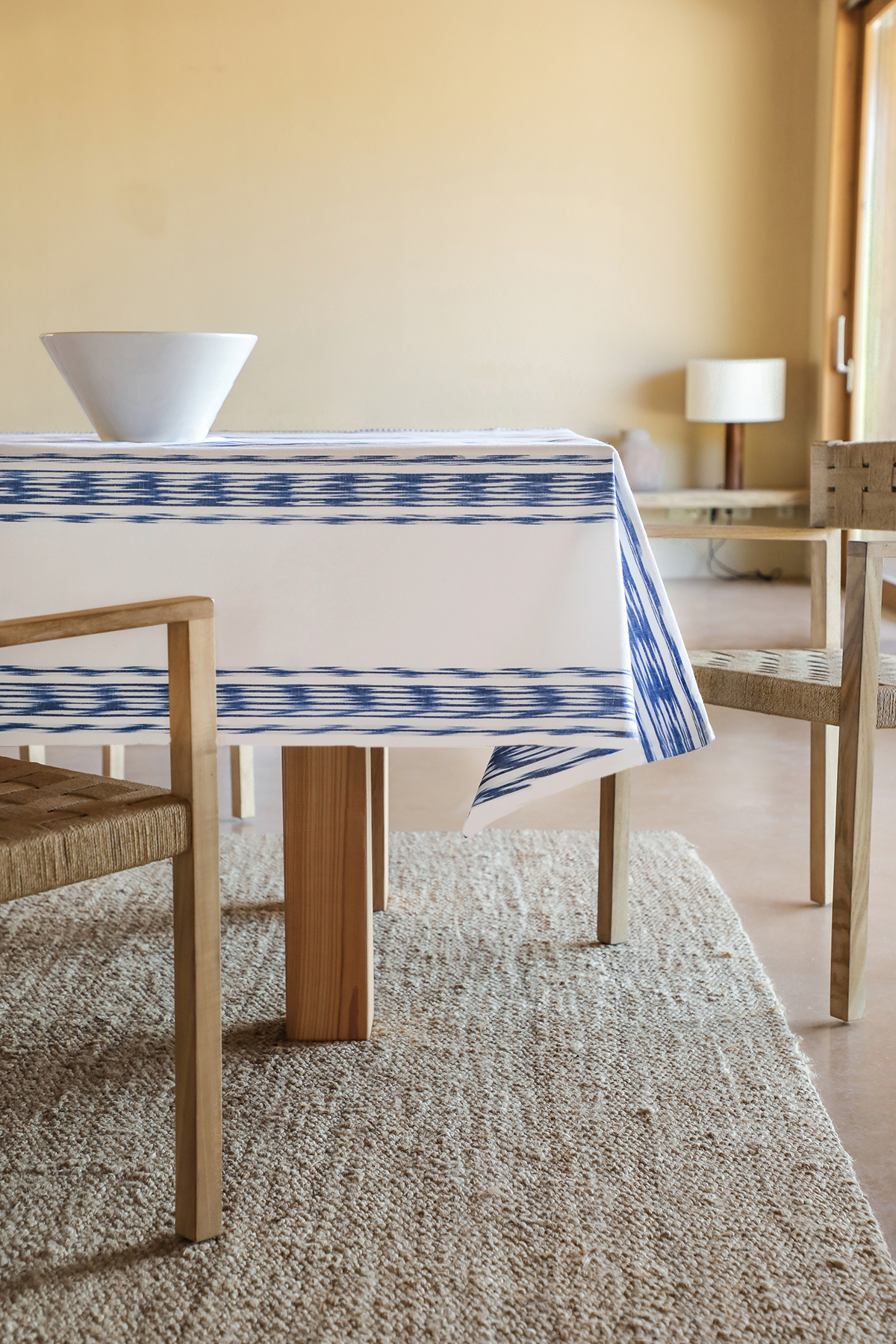
In 2026, a clear trend is emerging in the world of interior design: less impulsive consumption and more pieces with soul. Home textiles are no longer seen as simple accessories but as key elements that bring character, wellbeing and emotional connection to living spaces.
In this context, artisanal fabrics produced in workshops with long-standing traditions — such as those still operating in Mallorca — are gaining special prominence within the main textile trends and home décor movements of 2026.
1. The return of textiles with a story
One of the major home décor trends for 2026 is the search for pieces that tell a story. In contrast to mass production, there is growing interest in fabrics with a clear origin, recognisable techniques and a sense of tradition.
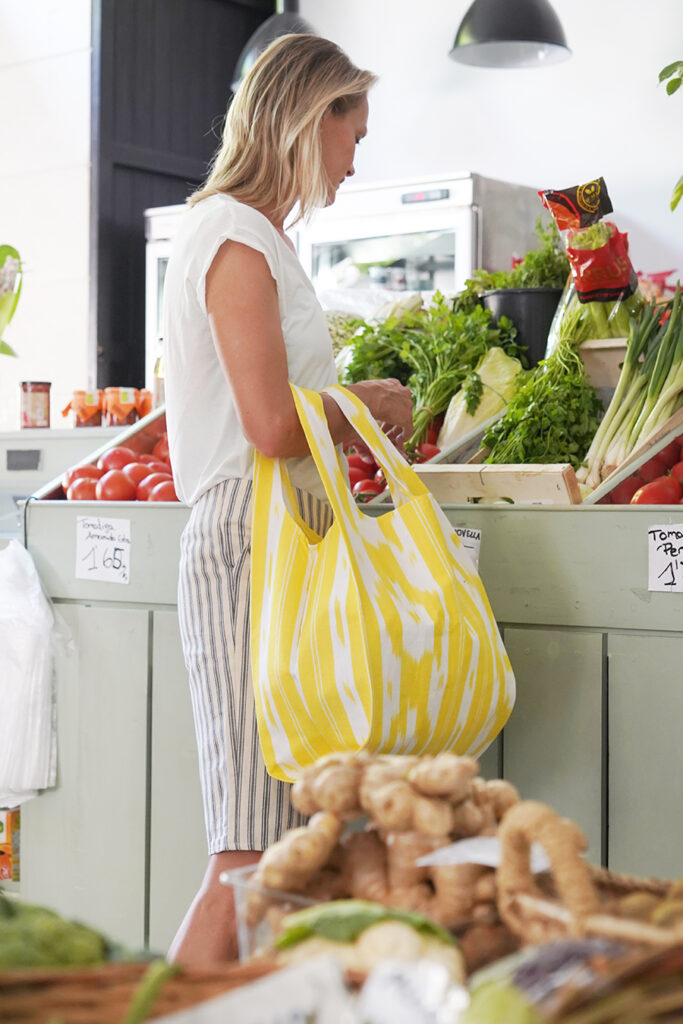
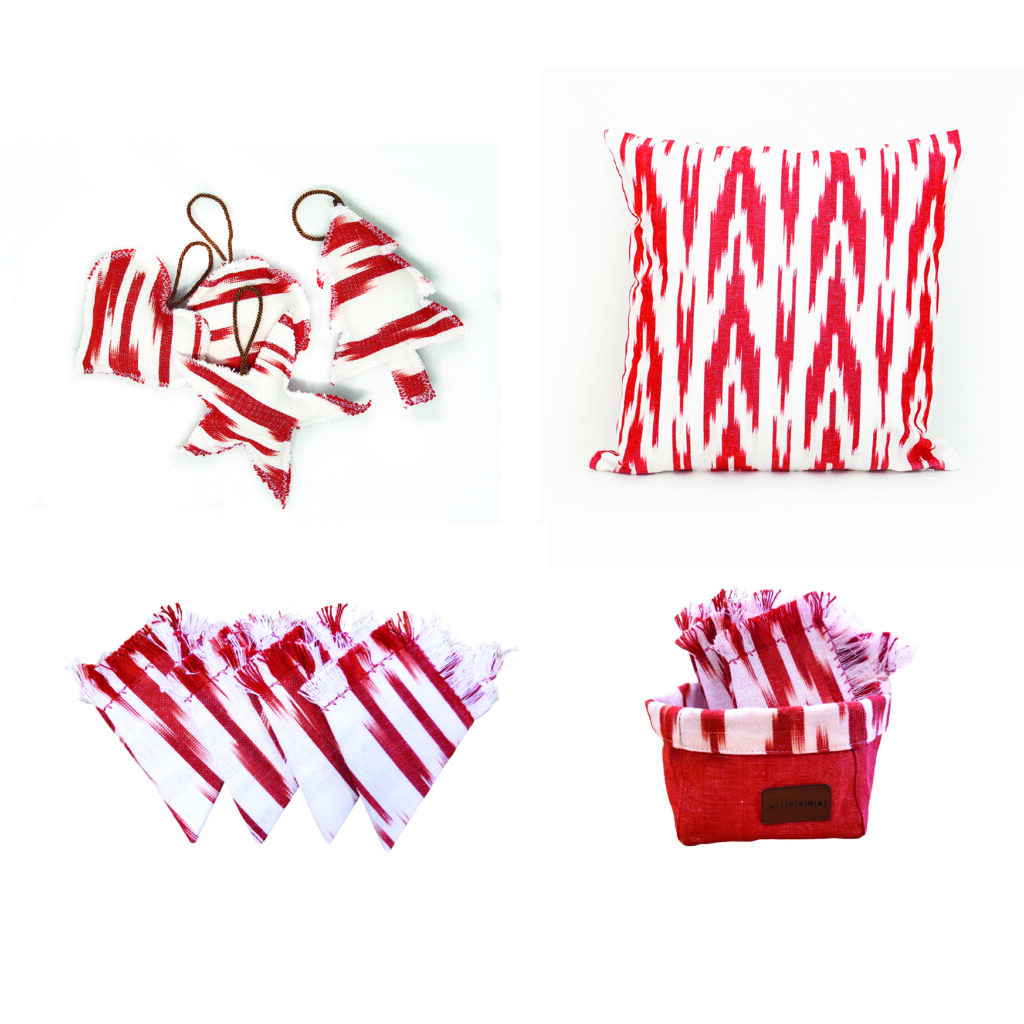
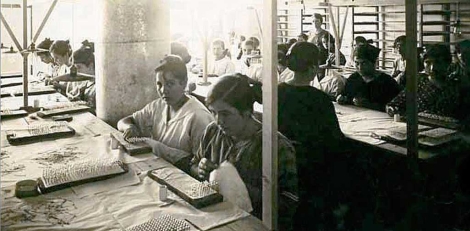
In Mallorca, this tradition has been preserved for generations in family workshops that continue to work with looms and manual processes. Teixits Vicens is an example of how textile craftsmanship can adapt to contemporary homes without losing its essence.
How to incorporate it at home:
- Use artisanal textiles in key pieces: cushions, table runners or curtains.
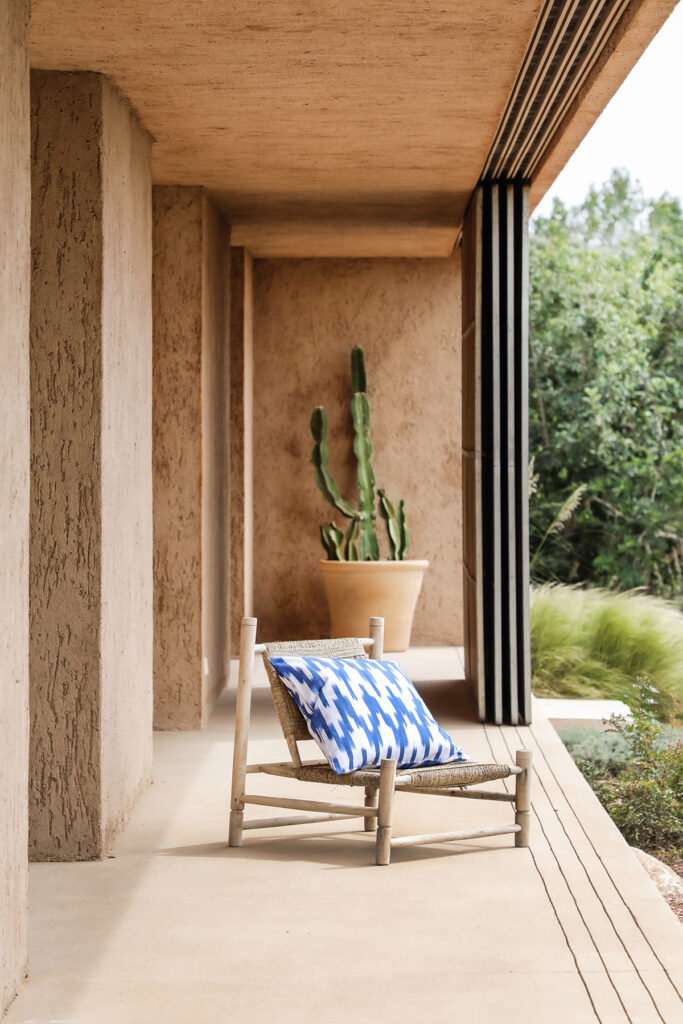
- Pair them with neutral furniture so the textile becomes the visual focal point.
- Choose quality over quantity: a single piece can transform a space.
2. Natural palettes inspired by the Mediterranean
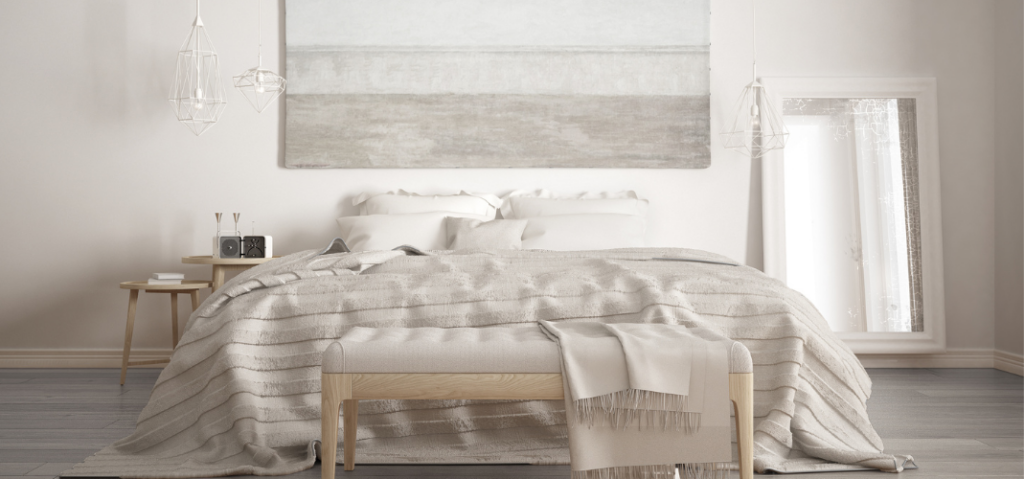
The trending textile colours for 2026 draw inspiration from nature and the Mediterranean landscape:
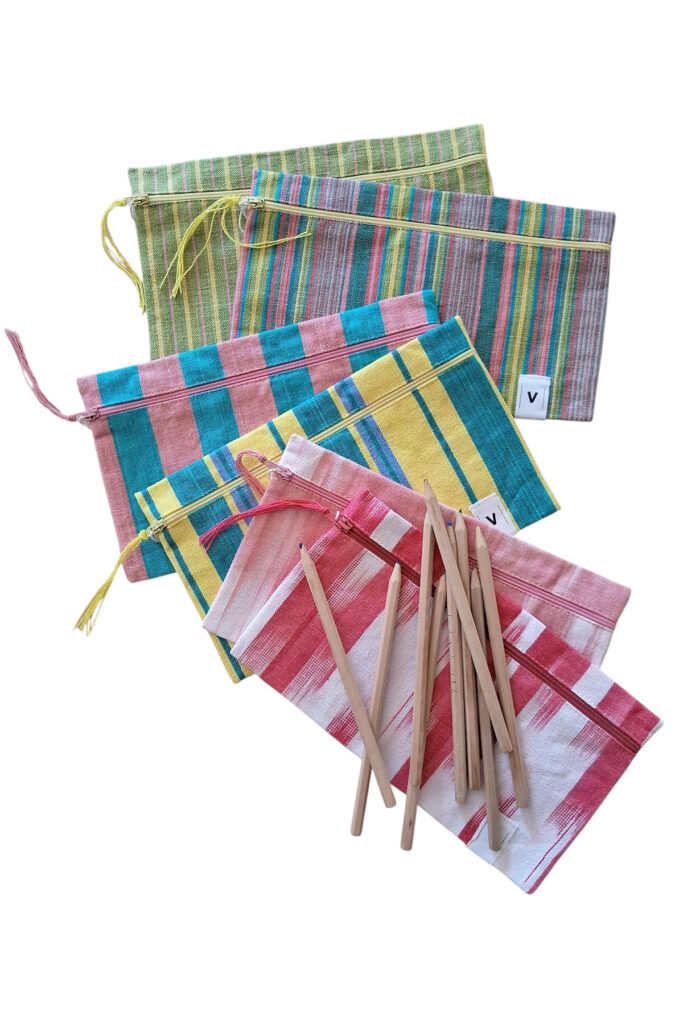
- Sand tones, off-whites and natural linen
- Deep blues and aquamarines
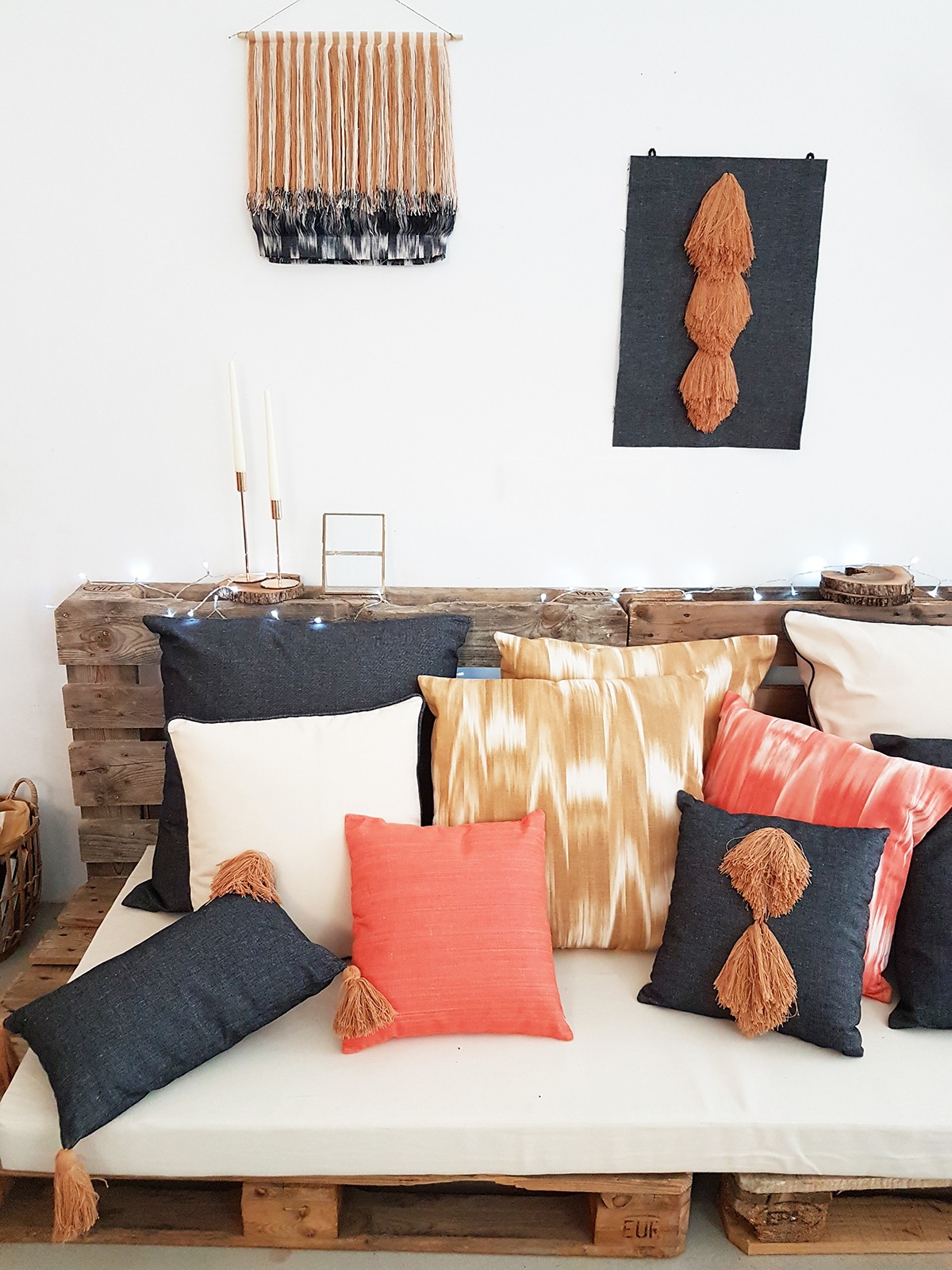
- Soft terracottas and warm ochres
- Muted greens that evoke vegetation and calm
These palettes, long present in Mallorcan textile traditions, connect with a serene and timeless style of decoration that suits both contemporary homes and more classic interiors.
How to incorporate it at home:
- Replace synthetic textiles with cotton or linen in natural shades.
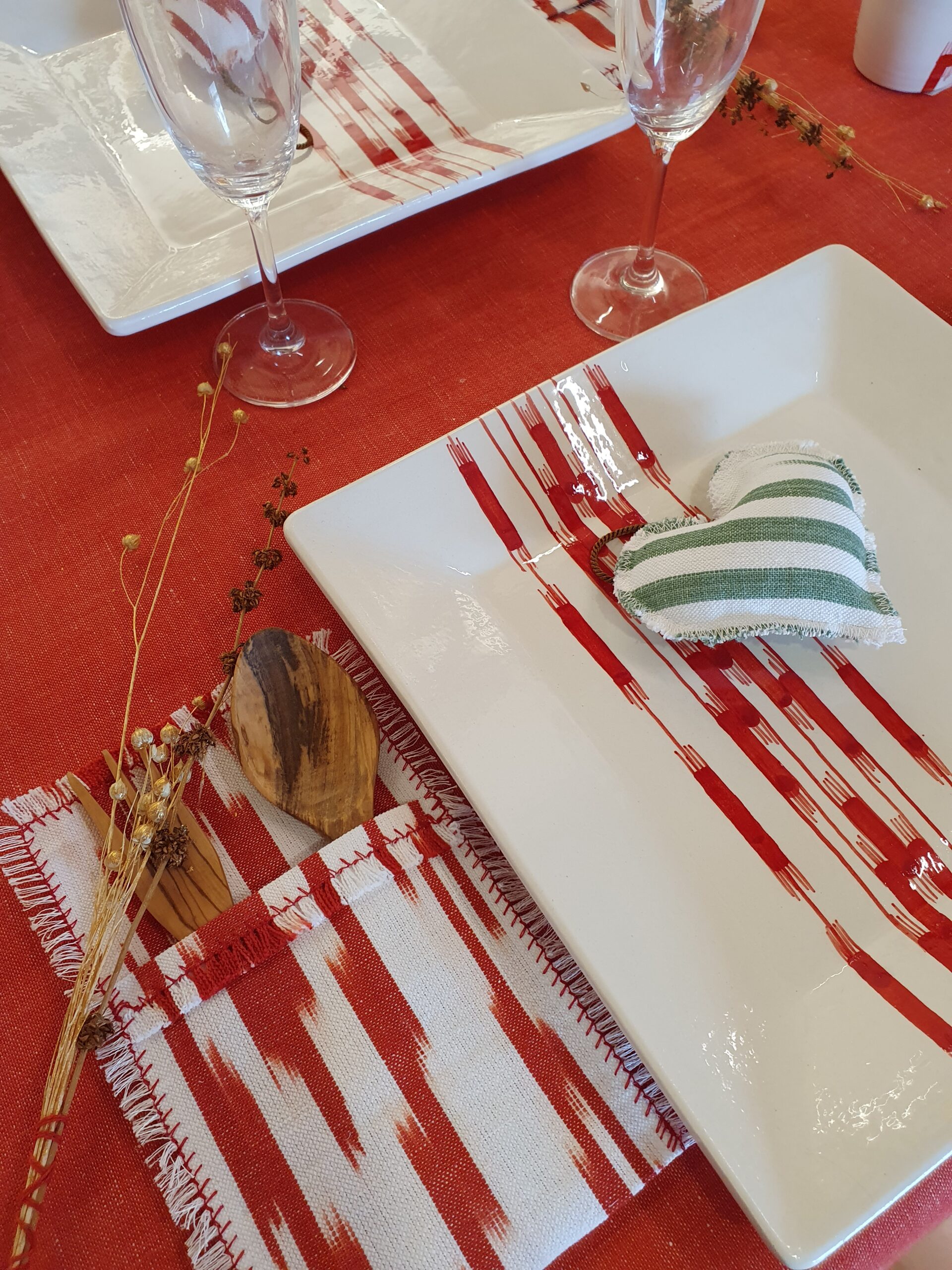
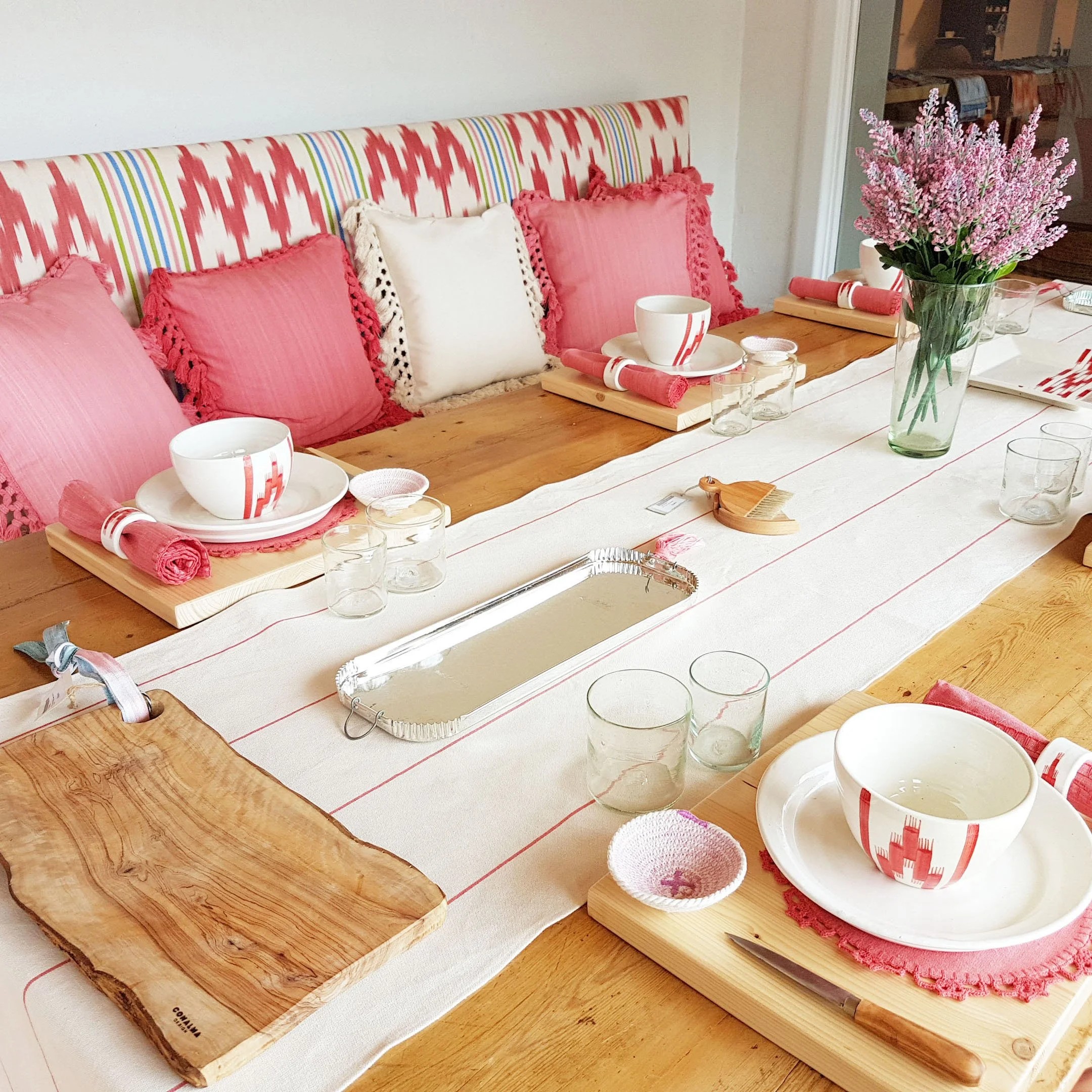
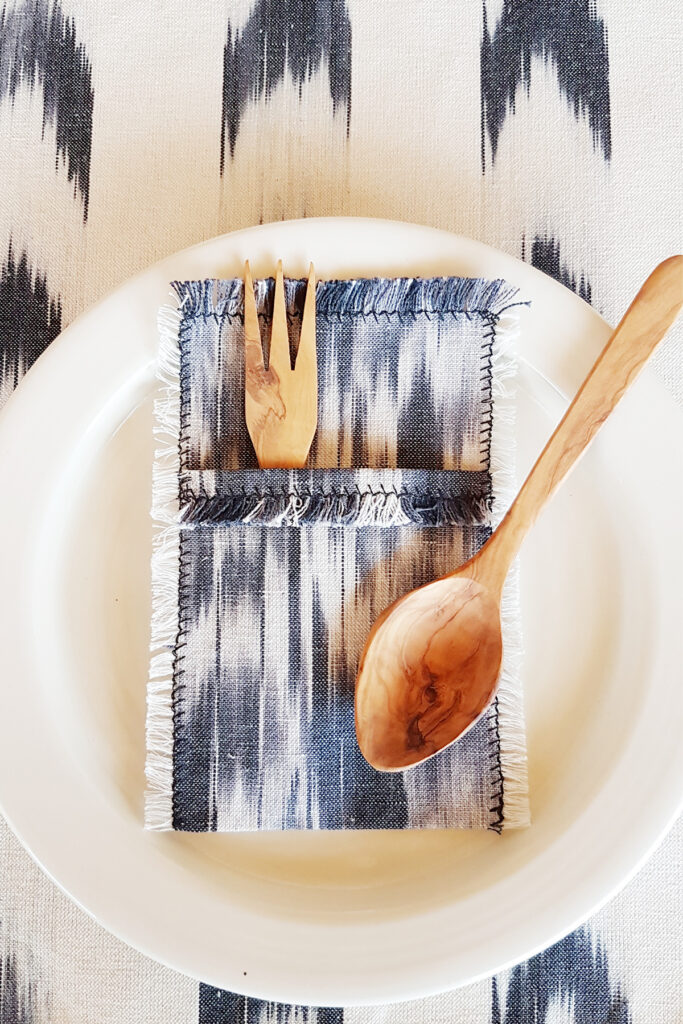
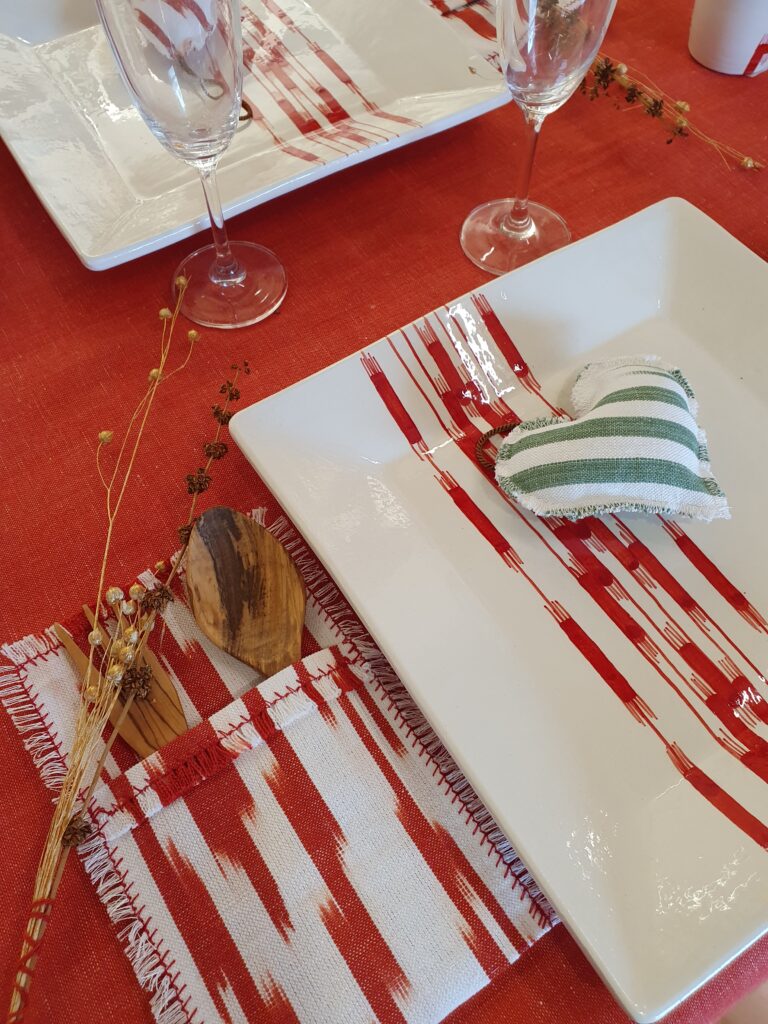
- Layer textiles — tablecloths and cushions within the same colour palette.
- Ideal for bright living rooms, bedrooms and dining areas.
3. Textures you can feel
Another key textile trend is the importance of texture. In 2026, it is no longer enough for a fabric to look beautiful — it must also convey sensation.
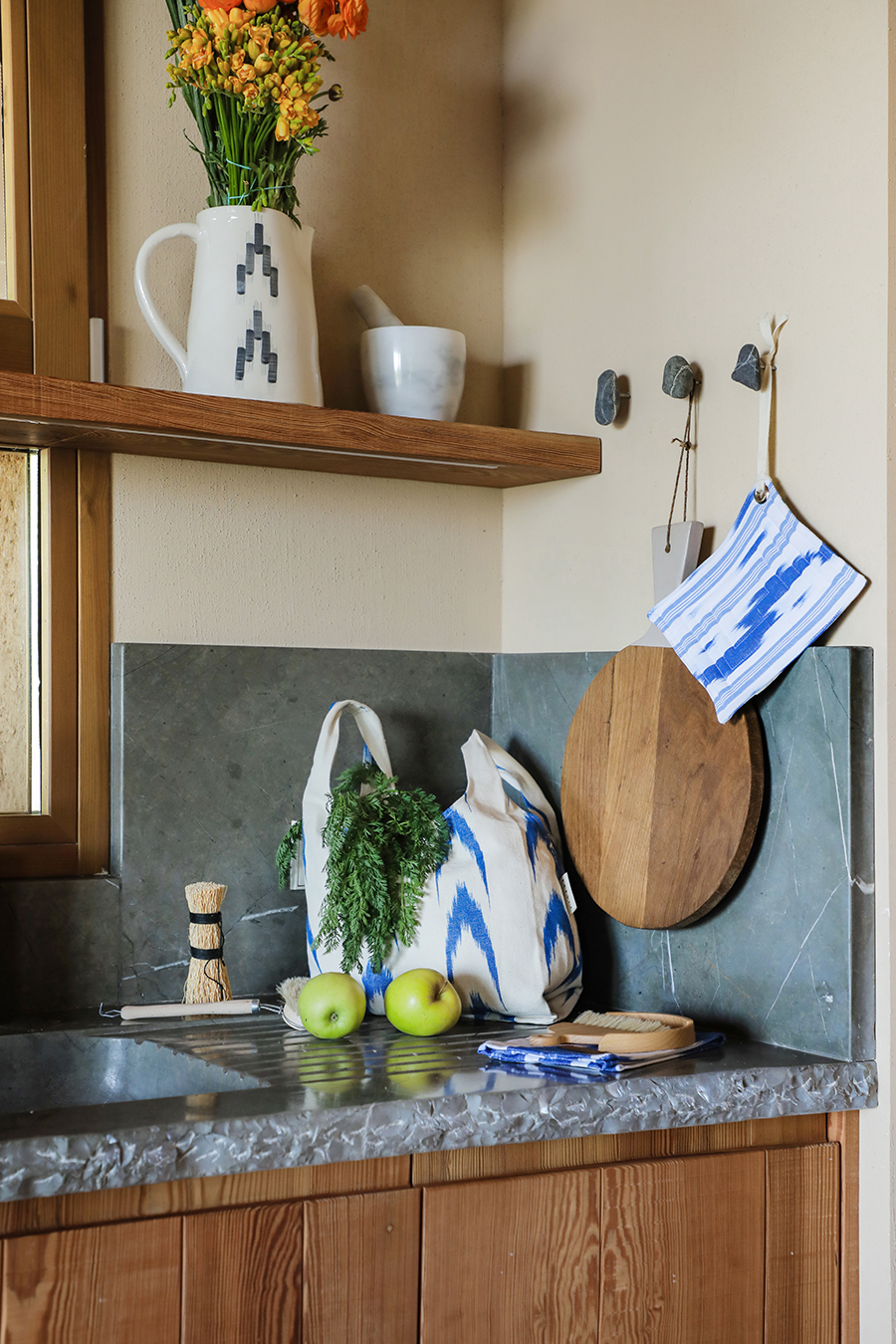
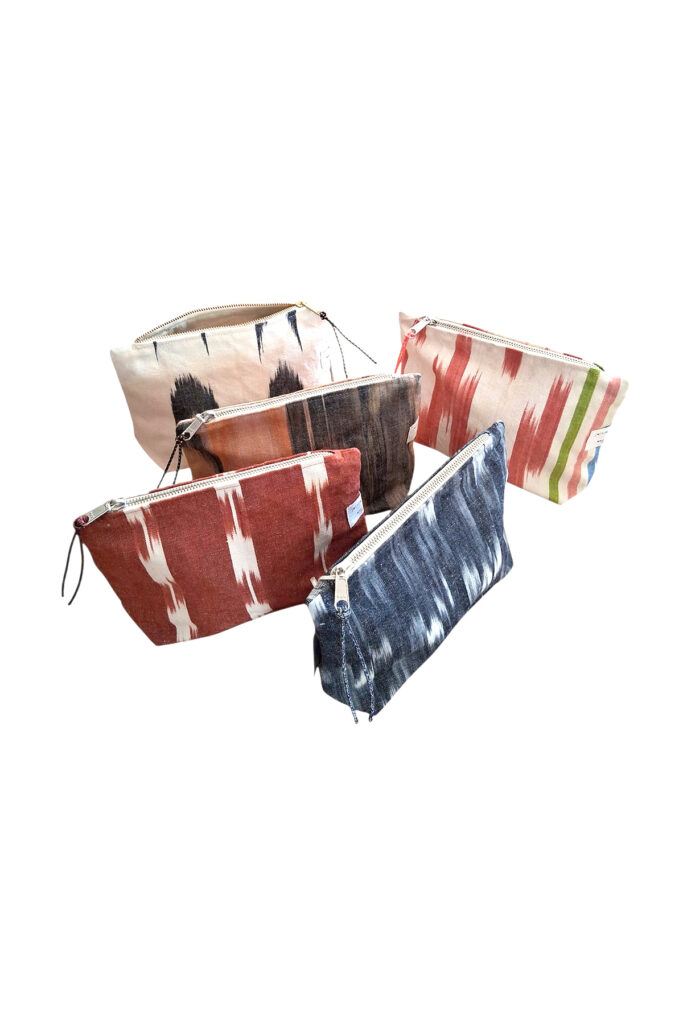
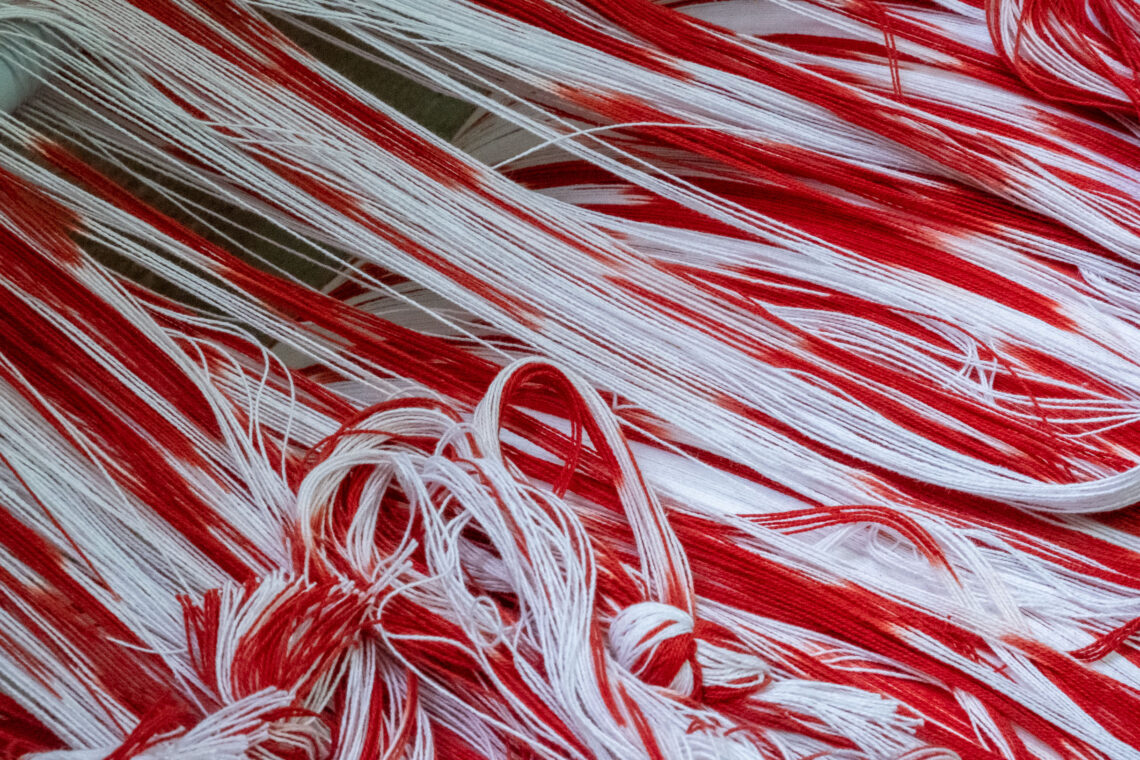
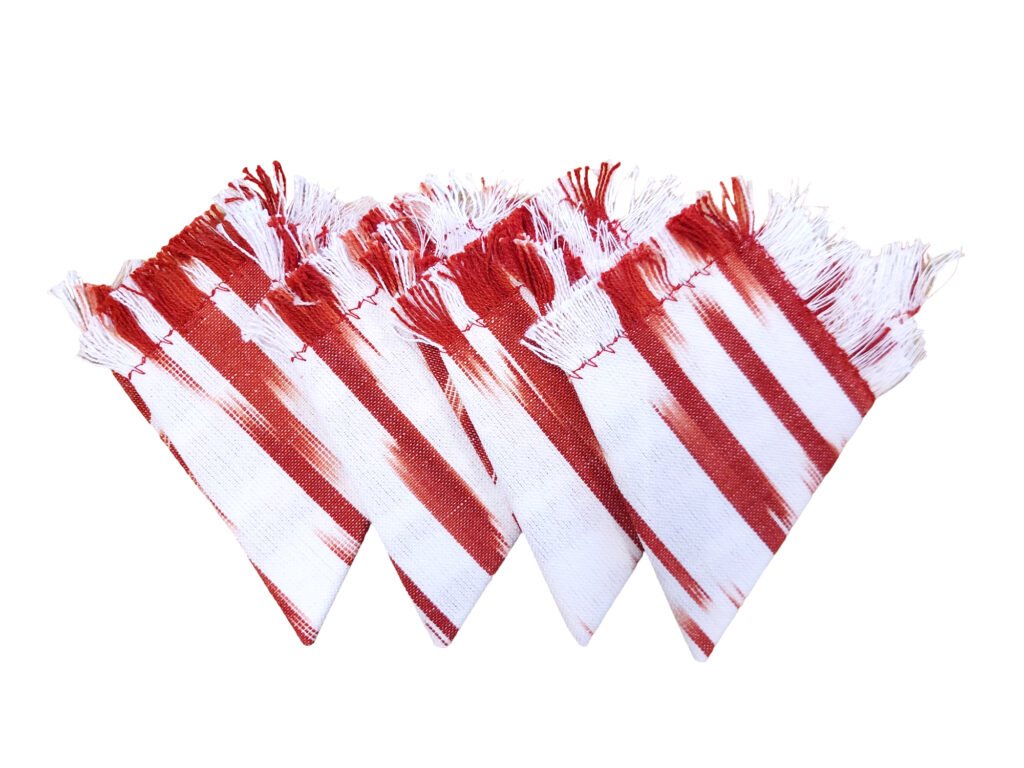
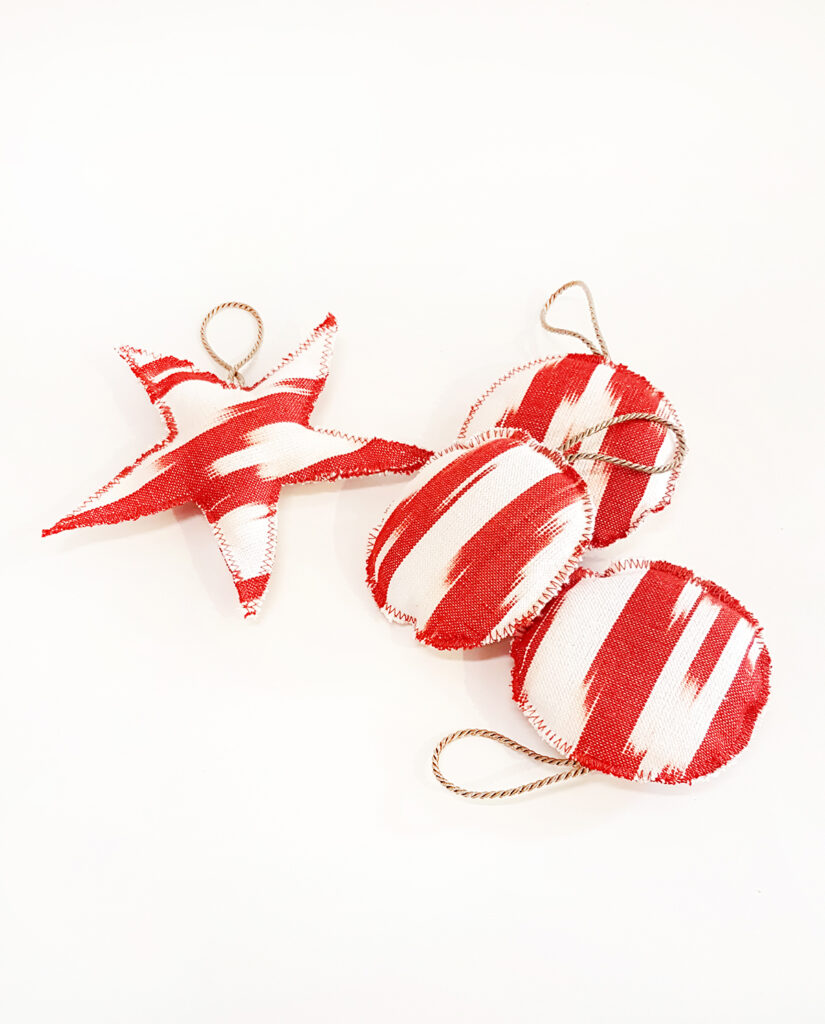
Artisanal fabrics, woven on traditional looms with visible structures, provide visual depth and richness that is difficult to replicate with industrial processes. In pieces such as ikat fabrics or roba de llengües, each variation in the pattern becomes part of the textile’s character.
How to incorporate it at home:
- Combine plain fabrics with textiles featuring pronounced textures.
- Use artisanal textiles alongside materials such as wood, ceramics or stone.
- Ideal for creating cosy interiors without overwhelming the space.
4. Craftsmanship and sustainability: a lasting trend
Sustainability is no longer a passing trend but a key purchasing criterion. In home décor for 2026, consumers increasingly want to know how and where each piece has been produced.
Local production, natural fibres and the durability of handcrafted textiles fit perfectly with this movement. Brands with their own workshops, such as Teixits Vicens, offer a genuine alternative to mass production, focusing on responsible and long-term processes.
How to incorporate it at home:
- Prioritise durable textiles over constant changes in decoration.
- Invest in timeless pieces that can be reused in different spaces.
- Choose brands that help preserve traditional textile craftsmanship.
5. Characterful patterns used with balance
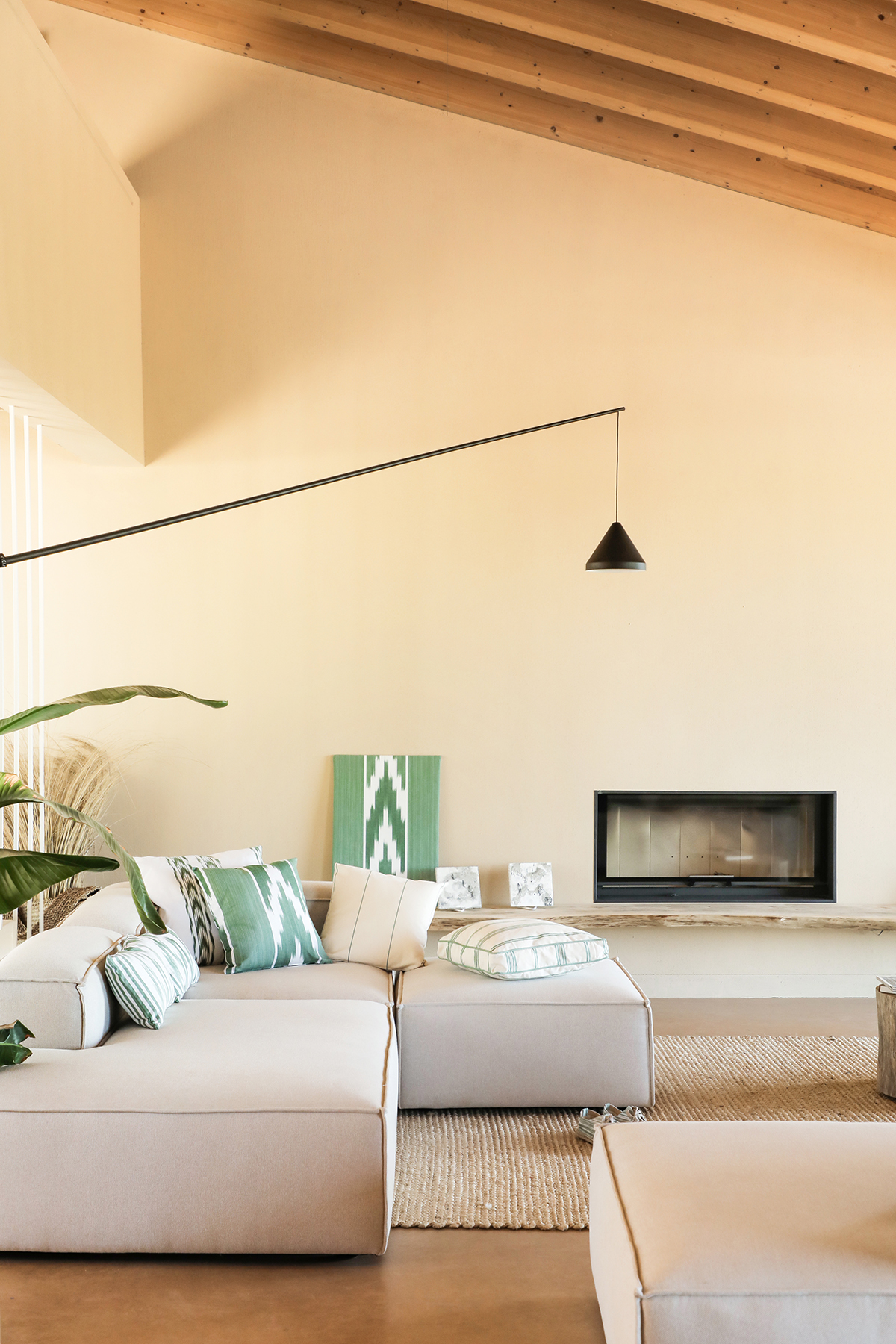
Patterns are returning in 2026, but with one clear rule: balance. Traditional geometric motifs and patterns inspired by historic techniques are being integrated into modern interiors without overwhelming them.
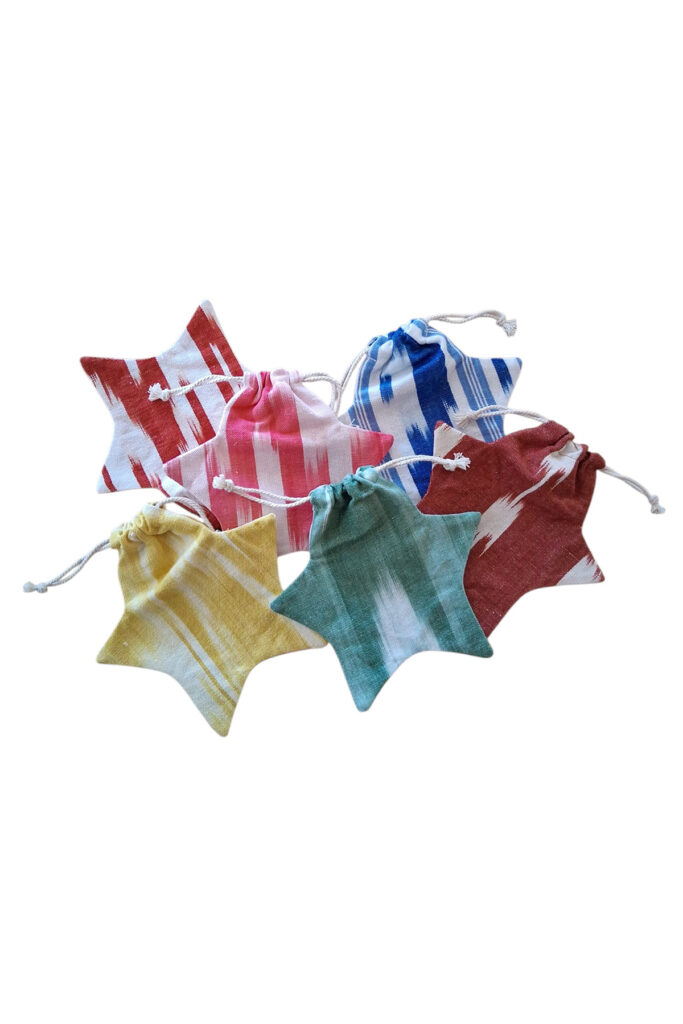
Reinterpreted classic designs — such as ikat-inspired prints — allow homeowners to add personality while maintaining a contemporary aesthetic.
How to incorporate it at home:
- Use artisanal patterns in specific elements (cushions, headboards or upholstery).
- Combine them with plain colours to maintain visual harmony.
- Perfect for adding personality to minimalist interiors.
6. Homes that feel personal rather than “catalogue-like”
The major overarching trend is personalisation. Instead of following fleeting fashions, home décor in 2026 focuses on spaces that reflect the identity of the people who live in them.
Artisanal textiles help create unique homes, where each piece carries meaning. Incorporating fabrics made using traditional techniques is a way of connecting the present with history and place.
Conclusion: textiles with soul for a timeless home
The textile trends for 2026 point towards a more conscious, emotional and lasting approach to decoration. Choosing artisanal textiles produced in historic workshops such as those in Mallorca — and brands that care about every stage of the process — is a way to build homes with character and coherence.
Integrating these textile trends into home décor in 2026 becomes simple when quality, authenticity and reinterpreted tradition are at the heart of the design.