A conscious choice for everyday life
In a context shaped by mass production and fast consumption, more and more people are questioning where the objects they use every day come from and how they are made. Choosing textile craftsmanship over industrial products is not merely an aesthetic decision: it is a way of consuming consciously, valuing manual work and opting for pieces designed to last.
Craftsmanship does not respond to market urgency, but to the rhythm of the craft itself. This difference is evident both in the process and in the final result.
Textile craftsmanship: when time matters
Textile craftsmanship is characterised by carefully considered processes, small-scale production and a direct relationship with materials. Each piece is created with close attention to detail, respecting rhythms that allow quality to be controlled at every stage.
In contrast to industrial manufacturing, where speed and volume are prioritised, craftsmanship focuses on know-how, accumulated experience and the continuity of techniques passed down from generation to generation.
The time invested is reflected in more durable textiles, better finishes and pieces with a distinct identity.
Handmade products versus industrial production
Handcrafted products do not seek absolute uniformity. Each piece has slight variations that speak of its origin and the hands that created it. Far from being flaws, these differences add character and authenticity.
Industrial products, on the other hand, are designed for mass reproduction, often using more fragile materials and processes that prioritise cost over durability. The result is objects intended to be replaced quickly.
Choosing textile craftsmanship means opting for items that age well, adapt to everyday use and retain their value over time.
Quality and durability: a long-term investment
One of the main values of textile craftsmanship is its durability. Designed to accompany you for years, handcrafted pieces reduce the need for constant replacement.
Investing in artisan products means buying less, but better. It is a decision that benefits both the user and the environment, as it reduces resource consumption and waste generation.
A choice aligned with conscious consumption
Conscious consumption involves understanding the origin of what we buy, valuing materials and recognising the impact of our choices. Textile craftsmanship often relies on local or small-scale production, reducing environmental footprint and supporting sustainable economies.
Moreover, choosing handcrafted products helps support traditional trades and preserve skills that form part of our cultural heritage.
Textile craftsmanship in everyday life
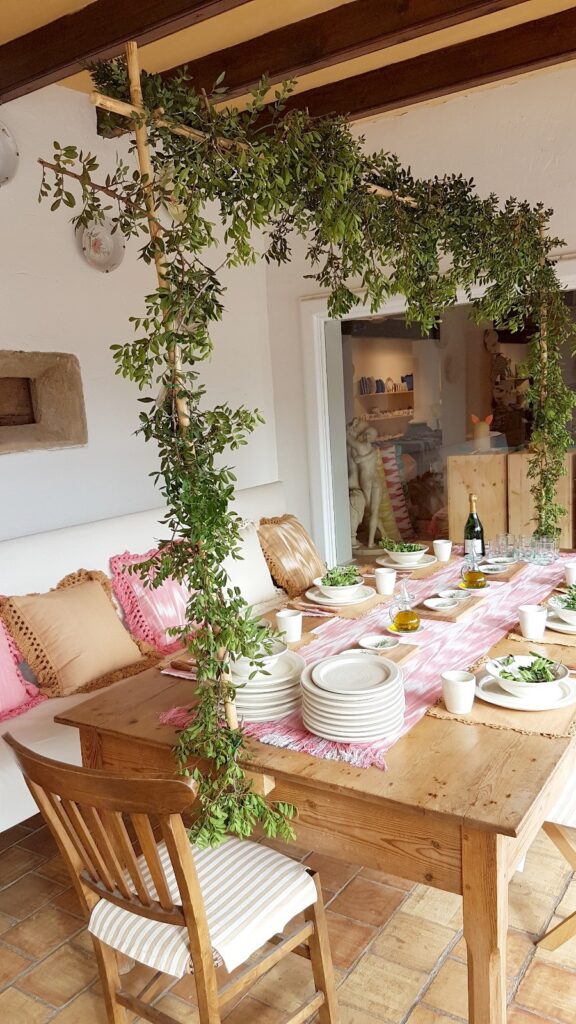
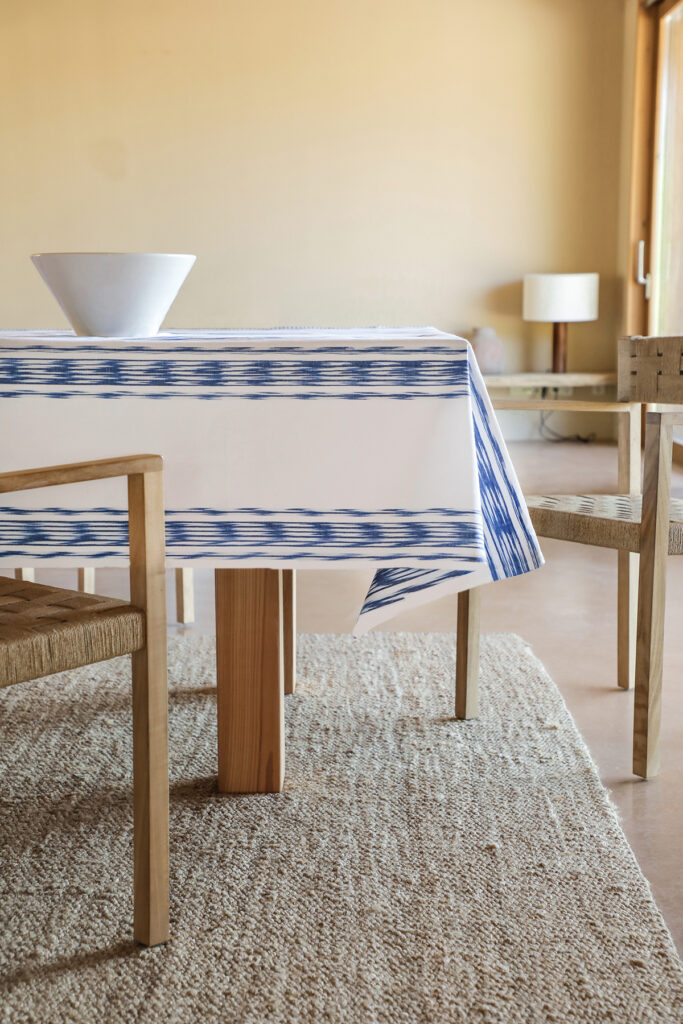
Craftsmanship is not at odds with functionality. Fabric bags, toiletry cases, purses or home textiles are just a few examples of how textile craftsmanship can naturally integrate into everyday life.
These are practical objects, designed for real use, combining beauty, durability and practicality. Pieces that accompany without imposing themselves, adding value to the simplest daily gestures.
Choosing craftsmanship is choosing with intention
In contrast to a throwaway culture, craftsmanship proposes a slower and more respectful relationship with objects. Choosing textile craftsmanship over industrial products is a way of reclaiming time, skill and quality.
Because behind every handcrafted piece there is a story, a process and a way of understanding the world. And at a time when everything seems to be speeding up, choosing artisan products is also a way of slowing down.